

E-bikes are becoming more popular with kids and teens. They can make it easier to get to school, visit friends, travel longer distances, and gain a little more independence. But e-bikes aren't just bicycles with a motor. Their added speed and weight can also increase the risk of injury.
Speed Changes Everything
E-bikes can travel much faster than traditional bikes. They're also heavier, which means they may take longer to stop and can be harder to control. E-bike crashes can lead to serious injuries, including head and facial injuries and broken bones.
When deciding whether your child is ready for an e-bike, consider whether they can make safe decisions while traveling at higher speeds, not just how much experience they have riding a traditional bike.
Consider Your Child's Readiness
Every child is different. Before allowing your child to ride an e-bike independently, consider their maturity, judgment, and riding experience.
Think about how your child handles rules, distractions, and unexpected situations. Do they stay focused while riding? Do they make safe choices when friends are around? Can they put safety ahead of speed? If you're not confident they're ready for the added responsibility, it may be best to wait and give them more time to develop their riding skills and judgment.
Know the Rules in Washington
Before your child starts riding an e-bike, make sure you understand which type of e-bike they have and where it can be ridden. Washington divides e-bikes into three classes based on how the motor works and the maximum assisted speed.
Class 1 and Class 2 e-bikes provide motor assistance up to 20 mph. Class 3 e-bikes provide assistance up to 28 mph and have additional restrictions. In Washington, riders must be at least 16 years old to operate a Class 3 e-bike, although younger children may ride as passengers on one if the bike is designed to carry passengers.
Where e-bikes are allowed can also vary based on the class of e-bike and local rules. Before your child rides independently, check the rules for the roads, sidewalks, trails, and paths they plan to use.
Wear a Helmet Every Ride
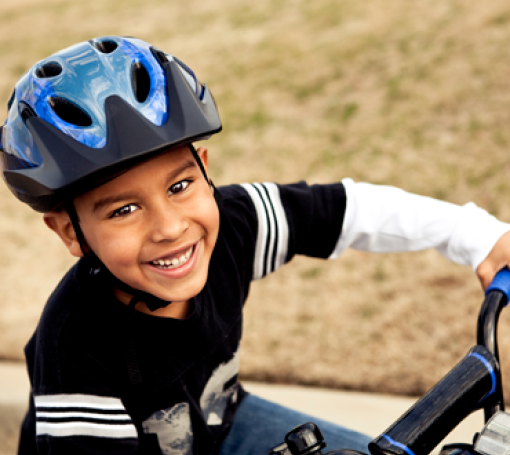
A properly fitted helmet is one of the best ways to reduce the risk of a serious head injury. Kids and teens should wear one every time they ride, even for short trips.
Parents and caregivers can help make helmets a normal part of riding by setting clear expectations and wearing helmets themselves when biking.
Learn More About Helmet Safety
Practice Before Riding Alone
Even experienced cyclists need time to adjust to an e-bike. Before your child rides independently, practice together in a safe area with minimal traffic.
Help your child get comfortable starting, stopping quickly, turning, navigating intersections, and managing the bike's additional speed and weight. Make sure they can consistently demonstrate safe riding skills before riding on their own.
Set Expectations Before the First Ride
Just as families set expectations before a teen starts driving, it's helpful to establish rules before your child begins riding an e-bike independently.
Talk about where they're allowed to ride, how they'll check in with you, and which safety rules are non-negotiable. This may include:
- Wearing a helmet every ride
- Putting phones and other distractions away while riding
- Following traffic laws and signs
- Riding at a safe speed
- Never carrying a passenger unless the e-bike is specifically designed for one
Talk About Peer Pressure
Knowing the rules doesn't always mean making the safest choice in the moment. A friend may ask for a ride, someone may suggest a race, or other riders may be traveling faster than they should.
Talk through these situations before they happen. Ask questions such as, "What would you do if a friend wanted a ride?" or "What would you do if your friends were riding faster than you felt was safe?" Thinking through these situations ahead of time can help kids and teens feel more prepared to make safer choices when they're on their own.
Help Your Child Be Seen
Drivers may not expect an e-bike to be traveling as quickly as it is. Encourage your child to ride predictably, use hand signals, and make eye contact with drivers when possible. Bright or reflective clothing, reflectors, and bike lights can also make riders easier to see.
Remind your child to never assume that a driver sees them, even when they have the right of way.
The Bottom Line
E-bikes and electric scooters can be a fun and convenient way for kids and teens to get around, but their added speed and weight require additional skills and responsibility. Before your child rides independently, make sure they're ready, establish clear safety expectations, practice riding together, and make a properly fitted helmet a requirement for every ride.
If you have questions about whether your child is ready for an e-bike, talk with your pediatrician. We're happy to help you think through the decision.
Keep Reading
View All Posts
Summer Safety Tips
Summer is a season of fun and adventure, but it also brings unique safety challenges for kids. Dr. Brianna Label offers practical tips to help families stay safe all season long.
Helmet Safety for Kids: Protecting Young Minds and Futures
As parents, safety comes first. A properly fitted helmet is a simple way to protect your child from serious injuries. Learn how to choose the right one for maximum safety.

Online Safety: Tips for Teens Using AI and Social Media
AI and social media are a big part of teens’ lives, offering both benefits and risks. Supporting healthy digital habits is essential for helping teens stay safe, informed, and balanced online.