
Every year, thousands of children and teens in the U.S. are evaluated in emergency departments for accidental or intentional poison exposures. Fortunately, most exposures can be managed safely — especially when families know what to do right away.
This blog will walk you through how to prevent toxic ingestions, what to do if they happen, and when to call for help.
Why Poisonings Happen
Young children are naturally curious. They explore the world by touching and tasting, and even small amounts of household products or medications can be dangerous to their smaller bodies.
Teens, on the other hand, may experience poisonings for very different reasons — such as experimenting with substances, taking too much of a medication (accidentally or intentionally), or using household products in unsafe ways (for example, inhaling chemicals or taking excessive supplements).
Common Sources of Poisoning/Ingestion Emergencies in Kids and Teens
Medications
- Pain relievers (acetaminophen, ibuprofen)
- Cold and cough medicines (especially those with decongestants)
- Vitamins and supplements, especially those containing iron or gummies that look like candy
- Prescription medications (for ADHD, anxiety, depression, diabetes, or heart conditions) — even one or two pills can be harmful to a small child
Household Products
- Cleaning solutions (bleach, ammonia, toilet bowl cleaners)
- Laundry or dishwasher pods
- Hand sanitizers and alcohol-containing products
- Essential oils and vaping liquids (these can be extremely toxic if swallowed)
Plants and Chemicals
- Some houseplants (such as philodendron, pothos, and peace lily) can cause mouth irritation, difficulty swallowing, or vomiting
- Pesticides, fertilizers, antifreeze, and gasoline are highly toxic even in small amounts
Other Products
- Button batteries can burn through a child’s esophagus in just two hours if swallowed — always treat as an emergency.
- Small magnets can cause a blockage in a child’s intestines – always treat as an emergency.
- Some essential oils (like eucalyptus or tea tree oil) can be toxic if ingested, even in small amounts.
- Edible cannabis products, which look like candy or gummies, can cause drowsiness, vomiting, confusion, or severe sedation in children.
- Vaping liquids can lead to seizures, breathing difficulty, and unresponsiveness
Intentional Ingestions in Teens
Unfortunately, self-harm and substance misuse are growing concerns with medications such as acetaminophen, antidepressants, or over-the-counter drugs.
This is a true medical emergency and always requires immediate attention.
What to Do If You Suspect Poisoning
Step 1: Stay calm and act quickly
Try to identify what your child ingested, how much, and when it occurred. Keep the product container or packaging to show medical personnel.
Step 2: Call Poison Control immediately — (800) 222-1222
You’ll reach a free, 24-hour service staffed by pharmacists, nurses, and toxicologists who specialize in poison emergencies. They can guide you on what to do next and whether your child needs to go to the emergency department.
Step 3: Call 911 if
- Your child is unconscious, not breathing, having seizures, or difficult to wake
- They are having trouble swallowing, breathing, or drooling excessively
- Is unconscious, having a seizure, or not breathing
- Has trouble swallowing or drooling excessively
- May have swallowed a button battery or small magnets
- You suspect they ingested something highly toxic (e.g., antifreeze, pesticides, battery acid)
- The exposure was intentional (for example, a teen overdose or suicide attempt)
Naloxone (Narcan): A Lifesaving Medication for Opioid Overdose
Most exposures can be managed safely with guidance from Poison Control — but opioid overdoses are different. If there’s any chance your child or teen has taken or been exposed to an opioid, (such as oxycodone, hydrocodone, fentanyl, or heroin) knowing about naloxone could save a life.
Free doses of naloxone and free training sessions are available online at END OVERDOSE.
What it does:
Naloxone (brand name Narcan) quickly reverses the effects of an opioid overdose. It works by blocking opioids from attaching to brain receptors, restoring normal breathing within minutes.
When to use it:
Give naloxone immediately if a person:
- Is unresponsive or not waking up
- Has slow or stopped breathing
- Has small (“pinpoint”) pupils
- Has blue lips or fingernails
How to use it:
- Most naloxone kits come as a nasal spray — simply spray into one nostril while the person lies on their back.
- If there’s no improvement in 2–3 minutes, give a second dose in the other nostril.
- Always call 911 right away, even if the person wakes up — they need further medical evaluation.
Where to get naloxone:
Naloxone is available without a prescription at most pharmacies and even some retailers in the U.S. Additionally, many schools, community centers, and first responders carry it.
If you have teens, prescription opioids, or visitors who may bring medications into your home, it’s wise to keep naloxone on hand, just in case.
What NOT to Do if You Suspect Poisoning
- Do NOT try to make your child vomit. This can cause more injury.
- Do NOT give them anything to eat or drink unless instructed by Poison Control.
- Do NOT rely on internet “remedies.” Always get professional advice first.
Prevention Tips for Families
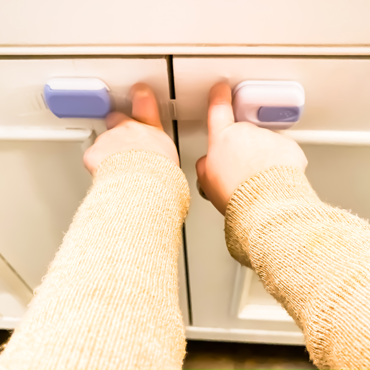
- Keep all medications up high and locked away. Even vitamins and supplements can be toxic in large amounts.
- Use child-resistant caps — but remember, they’re child-resistant, not child-proof.
- Store products in their original containers. Never transfer cleaners or chemicals into drink bottles.
- Teach children early: medicines are not candy.
- Safely dispose of expired or unused medications through take-back programs or pharmacies.
- Monitor teens’ access to prescription and over-the-counter medications, and check in regularly about emotional health and stress.
Final Thoughts
Poisonings can happen in any home, to any family — but with awareness and a few safety steps, most can be prevented or managed safely.
Keep the Poison Control number (1-800-222-1222) saved in your phone, post it on your fridge, download the PoisonControl App, and share it with caregivers and babysitters.
If something happens, stay calm, act quickly, and call for expert help. You don’t have to make decisions alone — guidance is just one call away.
Keep Reading
View All Posts
The Vitamin K Shot: One Small Step That Protects Your Newborn
All babies are born with low levels of vitamin K, putting them at risk for a rare but serious bleeding condition. A single vitamin K shot shortly after birth provides important protection during your baby's first months of life. Learn why the vitamin K shot is recommended for all newborns.
Understanding RSV
RSV, or respiratory syncytial virus, is a common childhood illness that affects the nose, throat, and lungs. Learn about the warning signs and information on when to seek care.
Tips for Navigating Flu Season
Getting a flu vaccine is one of the most effective ways to prevent the spread of influenza and reduce the risk of complications.