
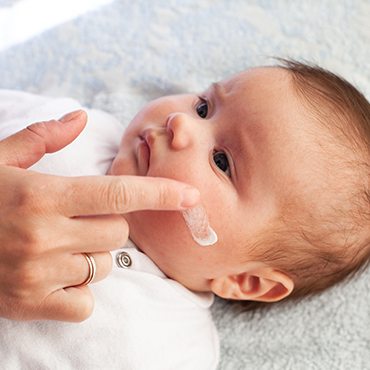
What is Eczema?
Eczema, or Atopic Dermatitis, is a genetic, chronic condition in which your child’s skin barrier is more sensitive and can more easily become dry or inflamed. Common triggers are friction/scratching, wet/dry, and chemicals. If not treated, your child’s skin can be more susceptible to infection.
How can I help prevent eczema flare-ups in my child?
Maintaining a daily skin care routine can help prevent eczema flare-ups. If your child enjoys a bath, allow them to soak daily in lukewarm water for 10-15 minutes. Use a gentle cleanser only for dirty areas. Wash hair last so your child doesn’t sit in the shampoo. Avoid bubble baths. After bathing, pat the skin dry, leaving it damp to the touch. Apply cream last to seal in the moisture.
Plain (no smell or color) moisturizer can be applied anytime your child’s skin is dry. Lotions are thin and absorbed quickly, whereas creams and ointments last longer. Newer generation creams with ceramide are best for eczema and can be applied to your child’s face and body.
Another way to prevent flare-ups is to avoid potential triggers. Things your child may encounter in the environment that can trigger eczema flare-ups include soaps, pollen, animals, foods, wool or other scratchy materials, and dry air.
What should I do if my child’s skin becomes inflamed or infected?
Itchy, red, or scaly skin is a sign your child’s skin is inflamed. This requires an anti-inflammatory topical medicine to resolve. If your child’s skin shows signs of inflammation, schedule an appointment with their provider to create a treatment plan.
Eczema can easily disrupt your child’s protective skin barrier allowing the normal bacteria on the surface of skin to cause an infection. Signs of infection include oozing, drainage, pus bumps, increased redness or swelling, and yellow crust. Talk to your doctor right away if you are concerned about skin infection. Mild infections can sometimes be handled with a prescription antibiotic ointment, but more serious infections might need oral antibiotics.
Helpful Resources
The AAP has created a digital guide for parents and caregivers on Eczema in Children.
Keep Reading
View All Posts
The Vitamin K Shot: One Small Step That Protects Your Newborn
All babies are born with low levels of vitamin K, putting them at risk for a rare but serious bleeding condition. A single vitamin K shot shortly after birth provides important protection during your baby's first months of life. Learn why the vitamin K shot is recommended for all newborns.
Understanding RSV
RSV, or respiratory syncytial virus, is a common childhood illness that affects the nose, throat, and lungs. Learn about the warning signs and information on when to seek care.

Tips for Navigating Flu Season
Getting a flu vaccine is one of the most effective ways to prevent the spread of influenza and reduce the risk of complications.